
Have you ever talked about something — not searched for it, just talked about it — and then seen an ad for exactly that thing minutes later?
That feeling is not a coincidence.
It is AI personalisation working exactly as designed. And the profile it has built of you is far more detailed than you probably realise.
What They Actually Know About You

Every app you use is collecting data. Not just what you search for or buy. How long you pause on a post before scrolling past. The exact moment you stop watching a video. Which products you look at but do not buy. What time of day you are most active.
This data is fed into AI models that build a profile of your interests, behaviour patterns, and preferences — updated in real time, every time you interact with the app.
How It Is Being Used Against You

The uncomfortable truth is that most AI personalisation is not designed to serve you. It is designed to serve the business. The goal of the recommendation algorithm on your news feed is not to inform you. It is to keep you on the platform as long as possible.
And the most effective way to do that is to show you content that triggers strong emotions — outrage, fear, desire, envy.
This is why your news feed often feels exhausting. Why social media leaves you feeling worse about yourself. Why you meant to spend five minutes on an app and spent forty-five. The AI is optimising for your time, not your wellbeing.
"If you are not paying for the product, you are not the customer. You are the product."
The Indian Context
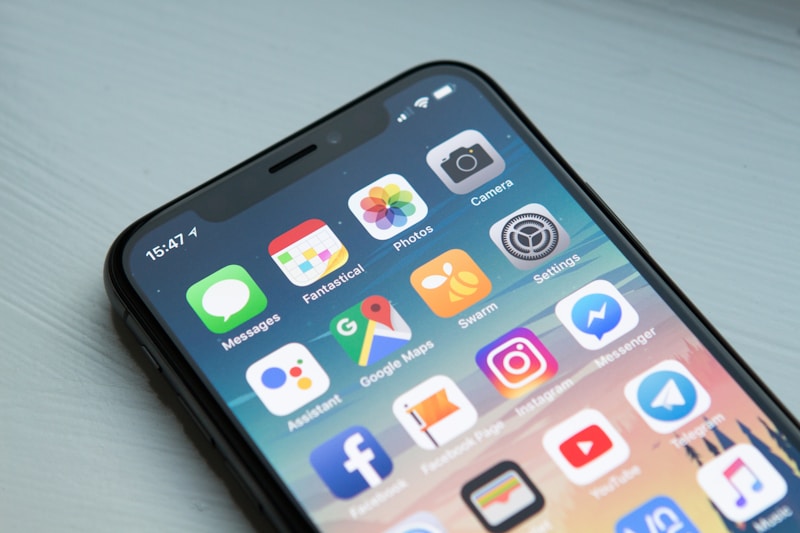
India added hundreds of millions of internet users in the past decade. Many of them are experiencing the digital world for the first time — without the context or awareness of how deeply they are being profiled.
For a first-time internet user in a tier-2 city, a hyper-personalised feed feels magical. What they do not see is the profile being built, the data being used, and the ways their behaviour is being shaped by systems they never explicitly agreed to.
India's Digital Personal Data Protection Act was passed in 2023 but implementation rules are still being finalised. Most Indian users currently have limited awareness of or recourse for what is being collected about them.
What You Can Do

You cannot opt out of the digital world. But you can be more intentional about how you move through it.
Regularly review app permissions. Use private browsing for sensitive searches. Be selective about which apps you stay logged into. Google and Meta are required to show you the data they have collected — periodically reviewing it is worth the ten minutes.
Most importantly — when something feels too personalised, too accurate, too perfectly timed — pause. Ask yourself what the app is trying to make you feel.
AI Can Do Better
Personalisation itself is not the problem. AI that remembers your preferences and makes your life easier is genuinely useful. The problem is personalisation in service of engagement metrics rather than human wellbeing.
There is a version of AI personalisation that helps you discover things you genuinely love and respects your time. That version is possible. It just requires building AI with different goals.
At Zuko Labs, that is the only kind of AI we are interested in building.